


Connect with us
contact@neuroflares.com

February 20, 2024
As healthcare technology continues its digital transformation, the stakes for protecting sensitive patient data have never been higher. With innovations like wearable devices, mobile health apps, telemedicine, and cloud-based patient management systems becoming the norm, ensuring compliance with healthcare regulations is no longer optional-it’s absolutely essential.
At NeuroFlares, we take data privacy and security with the utmost seriousness. That’s why we are proud to declare that every single medical application we develop is fully HIPAA-compliant, engineered with rigorous safeguards and privacy-by-design architecture. Whether it’s a remote health monitoring tool, a patient assistance system, or a clinical communication platform, HIPAA compliance is deeply embedded in our development lifecycle.
In this blog, we’ll walk you through what HIPAA compliance entails, why it’s critical for your business, and how NeuroFlares ensures that all our healthcare solutions exceed the industry standards. What is HIPAA, and Why Does It Matter?
The Health Insurance Portability and Accountability Act (HIPAA) is a U.S. law enacted in 1996 to protect the privacy and security of individuals’ medical records and other personal health information. It applies to healthcare providers, insurance companies, and any “business associate”-including tech vendors like NeuroFlares-who handle Protected Health Information (PHI).
HIPAA is not only about ticking compliance checklists-it’s about earning patient trust, avoiding data breaches, and shielding organizations from devastating reputational and legal consequences.
At NeuroFlares, we’ve worked with healthcare providers across different continents-from Europe and Asia to North America-helping them build advanced medical technologies while ensuring strict adherence to data protection laws such as HIPAA and GDPR. Here’s how we go beyond the basics to ensure full HIPAA compliance in all the medical apps we develop:
Every healthcare project at NeuroFlares begins with a thorough risk assessment. We identify the full lifecycle of data-from capture and transmission to storage and deletion-and model potential threat vectors such as data leaks, unauthorized access, insider threats, or system misconfigurations.
We use NIST-based frameworks and OWASP’s top security risks for healthcare applications to inform our decisions. This step is foundational and guides all architectural choices moving forward.
Our development practices ensure Privacy by Design and Security by Default. This means:
Our code repositories are continuously monitored for vulnerabilities, and we run static code analysis (SAST) and dynamic security tests (DAST) as part of CI/CD pipelines.
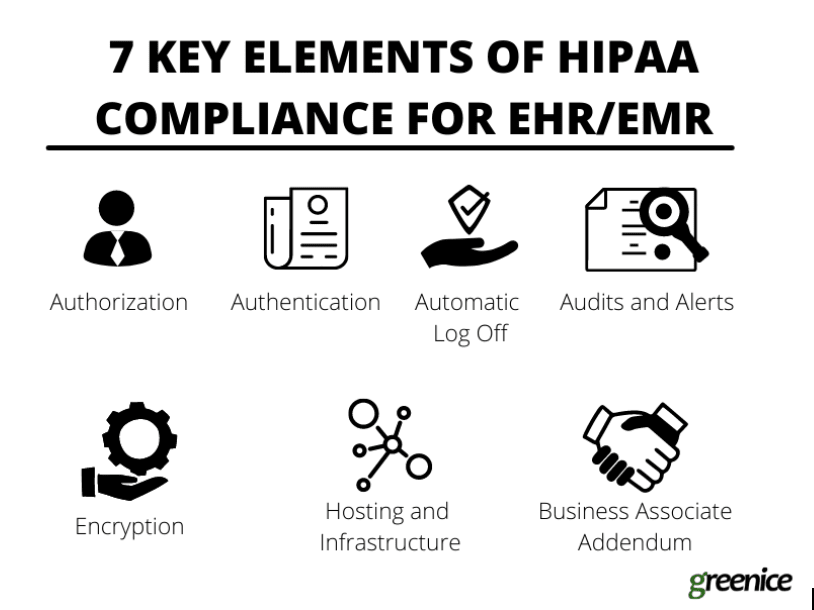
We implement multi-factor authentication (MFA) for clinicians, staff, and admin users, alongside OAuth 2.0 and SSO integrations for enterprise clients.
HIPAA mandates full accountability for actions involving PHI. NeuroFlares’ systems log:
Our apps are integrated with SIEM (Security Information and Event Management) tools for real-time analysis, alerts, and incident response.
HIPAA-Ready Cloud Infrastructure
Need to build with security and compliance at the core?
NeuroFlares helps you design and develop solutions that meet stringent security standards and regulatory requirements from the ground up.
Let's build something secure together.



2915 Ogletown Road, Newark, DE 19713, USA

213, G-Block, V.V.C.E, Gokulam, Mysore 570002, India
Connect with us
contact@neuroflares.com