





Connect with us
contact@neuroflares.com

November 1, 2023
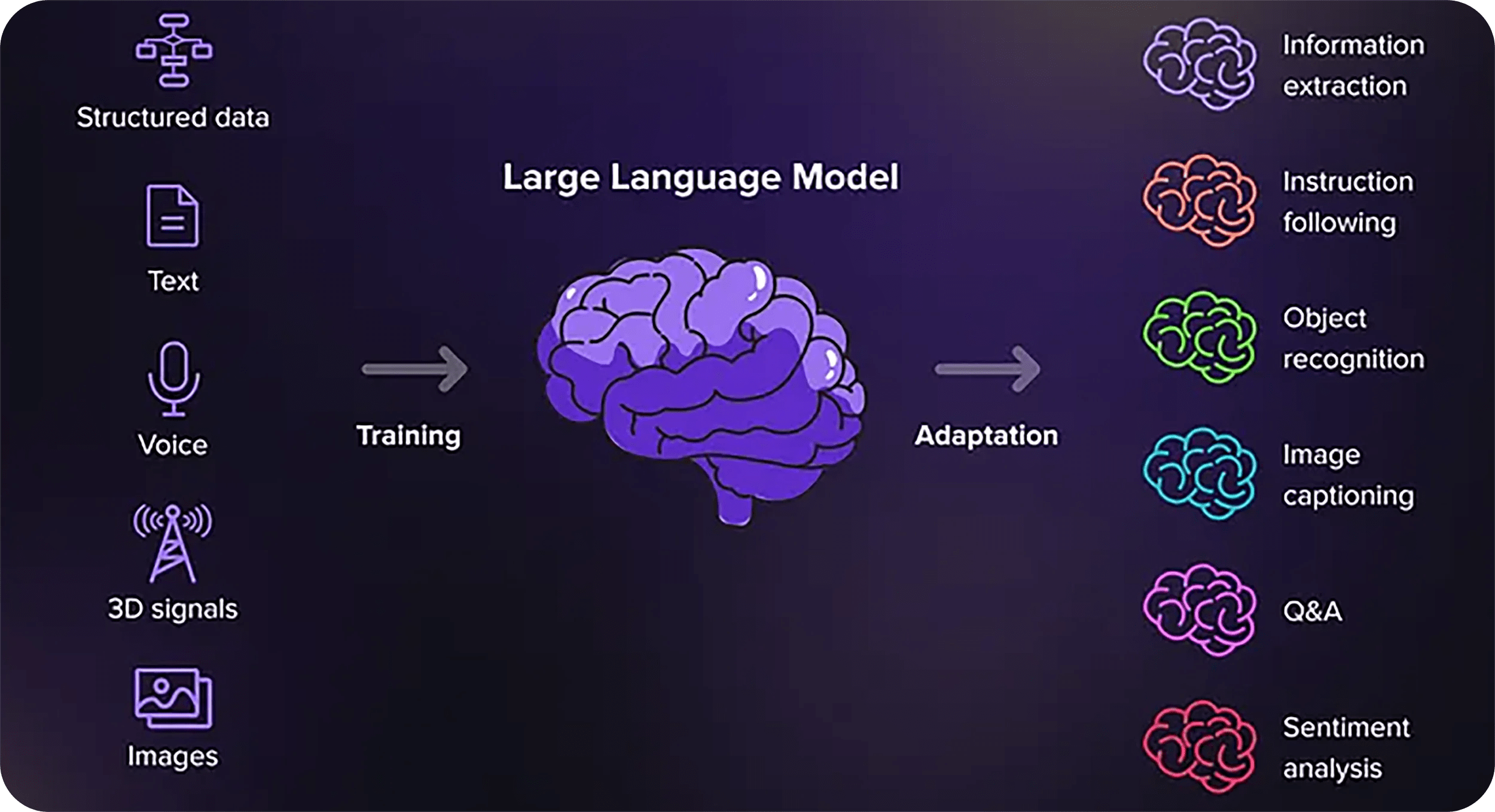
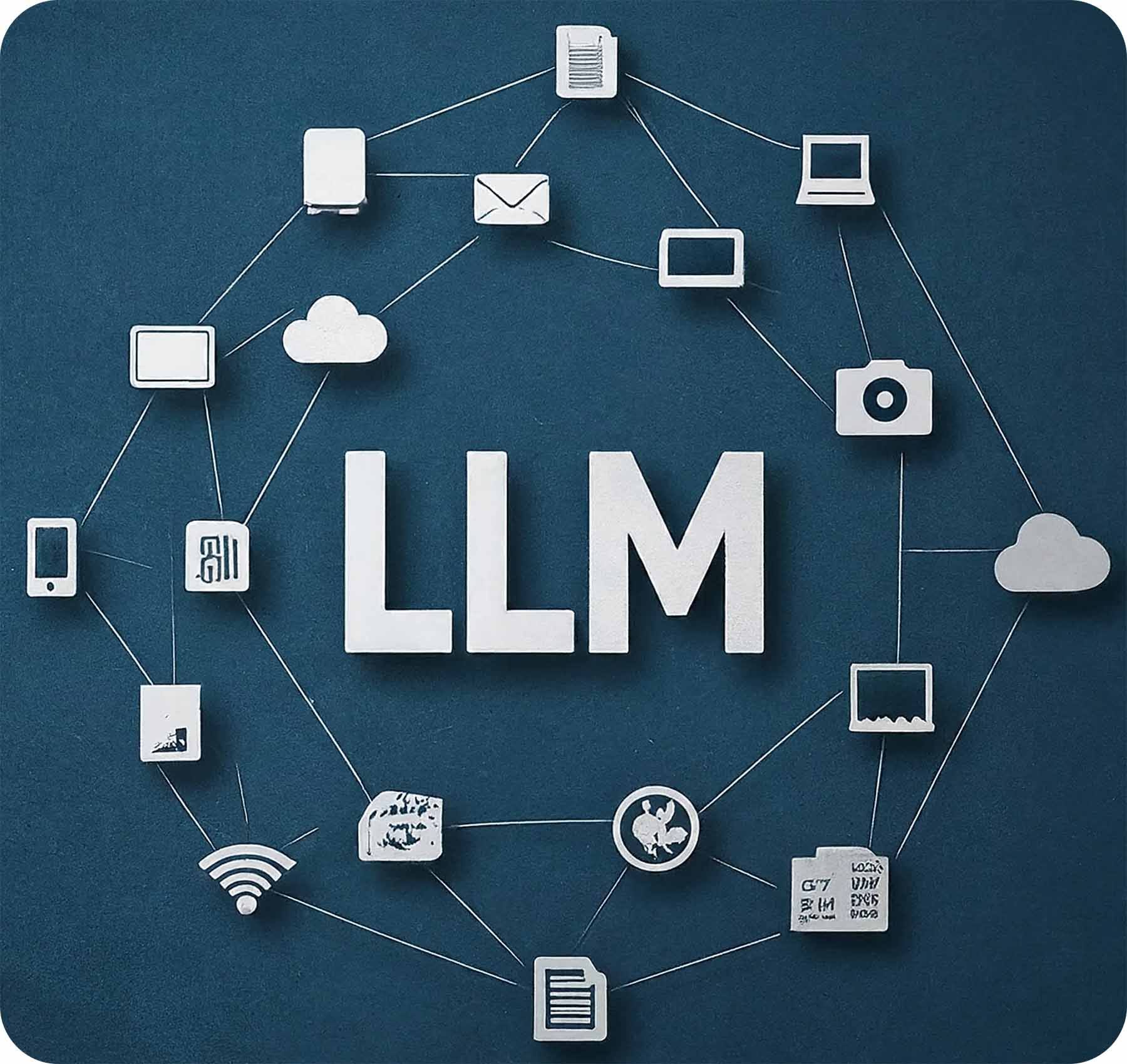
In recent years, the advent of Large Language Models (LLMs) like GPT4 has revolutionized various aspects of natural language processing (NLP), including the ability to summarize documents. These models, trained on vast amounts of text data, have shown remarkable capabilities in understanding and distilling the essence of lengthy documents into concise summaries. In this blog, we will explore how LLMs perform as document summarizers, the underlying mechanisms that make this possible, and their implications for various applications.
LLMs leverage deep learning architectures, particularly the Transformer model, which excels at capturing context over long sequences of text. The self-attention mechanism within Transformers allows the model to weigh the importance of different words and phrases, helping it to understand and generate coherent summaries.
LThese models are pre-trained on diverse and extensive datasets from the internet, enabling them to learn a wide range of linguistic patterns, facts, and relationships. This broad knowledge base allows LLMs to generate summaries that are not only concise but also contextually rich and accurate.
After pre-training, LLMs can be fine-tuned on specific tasks or domains, further enhancing their summarization capabilities. Finetuning involves training the model on domain-specific summaries, which improves its ability to produce relevant and high-quality summaries for specialized documents.
To evaluate the performance of LLMs in summarization, several metrics and benchmarks are commonly used:
ROUGE (Recall-Oriented Understudy for Gisting Evaluation) metrics compare the overlap of n-grams, word sequences, and word pairs between the generated summary and a reference summary. Higher ROUGE scores indicate better summarization performance.
Human judgment remains a critical component in evaluating the quality of summaries. Human evaluators assess summaries based on criteria like coherence, relevance, fluency, and informativeness.
Datasets such as CNN/Daily Mail, XSum, and PubMed are widely used to benchmark the performance of summarization models. These datasets provide a standardized way to compare different models and measure their effectiveness.
Large Language Models (LLMs) are used in chatbots, content creation, translation, and data analysis, but their widespread adoption also raises concerns about bias, misinformation, job displacement, and data privacy.
LLMs can significantly enhance productivity by summarizing lengthy business reports, legal documents, and contracts. This allows professionals to quickly grasp the key points and make informed decisions without wading through pages of text.
Researchers can leverage LLMs to summarize academic papers, enabling them to stay updated with the latest developments in their field without reading each paper in its entirety.
News agencies and media outlets can use LLMs to generate concise summaries of news articles, helping readers get a quick overview of current events.
In customer support, LLMs can summarize lengthy customer interactions or support tickets, allowing agents to quickly understand and address customer issues.
Despite their impressive capabilities, LLMs face several challenges in document summarization.
LLMs sometimes struggle with maintaining context over very long documents, leading to summaries that miss critical information or misrepresent the original content.
The training data for LLMs can contain biases, which may be reflected in the generated summaries. Ensuring fairness and mitigating bias remains a significant challenge. Researchers are exploring ways to make models more transparent and accountable.
Understanding how LLMs generate summaries and ensuring their transparency is crucial, especially in critical applications like healthcare and law.
Future research aims to address these challenges by improving the models’ ability to handle longer contexts, enhancing interpretability, and developing methods to reduce biases in generated summaries.
Large Language Models have demonstrated remarkable proficiency in document summarization, transforming how we process and understand vast amounts of text. Their ability to produce coherent, concise, and contextually rich summaries has numerous applications across various fields. As research continues to advance, we can expect even greater improvements in the accuracy, fairness, and applicability of LLM-based summarization tools, making them an indispensable asset in our information-rich world.
Exploring this technology for your next project?
NeuroFlares specialises in building cutting-edge software solutions powered by the latest innovations. Let us turn your ideas into reality.
Let's work together.
2915 Ogletown Road, Newark, DE 19713, USA

213, G-Block, V.V.C.E, Gokulam, Mysore 570002, India
Connect with us
contact@neuroflares.com