





Connect with us
contact@neuroflares.com


January 15, 2024
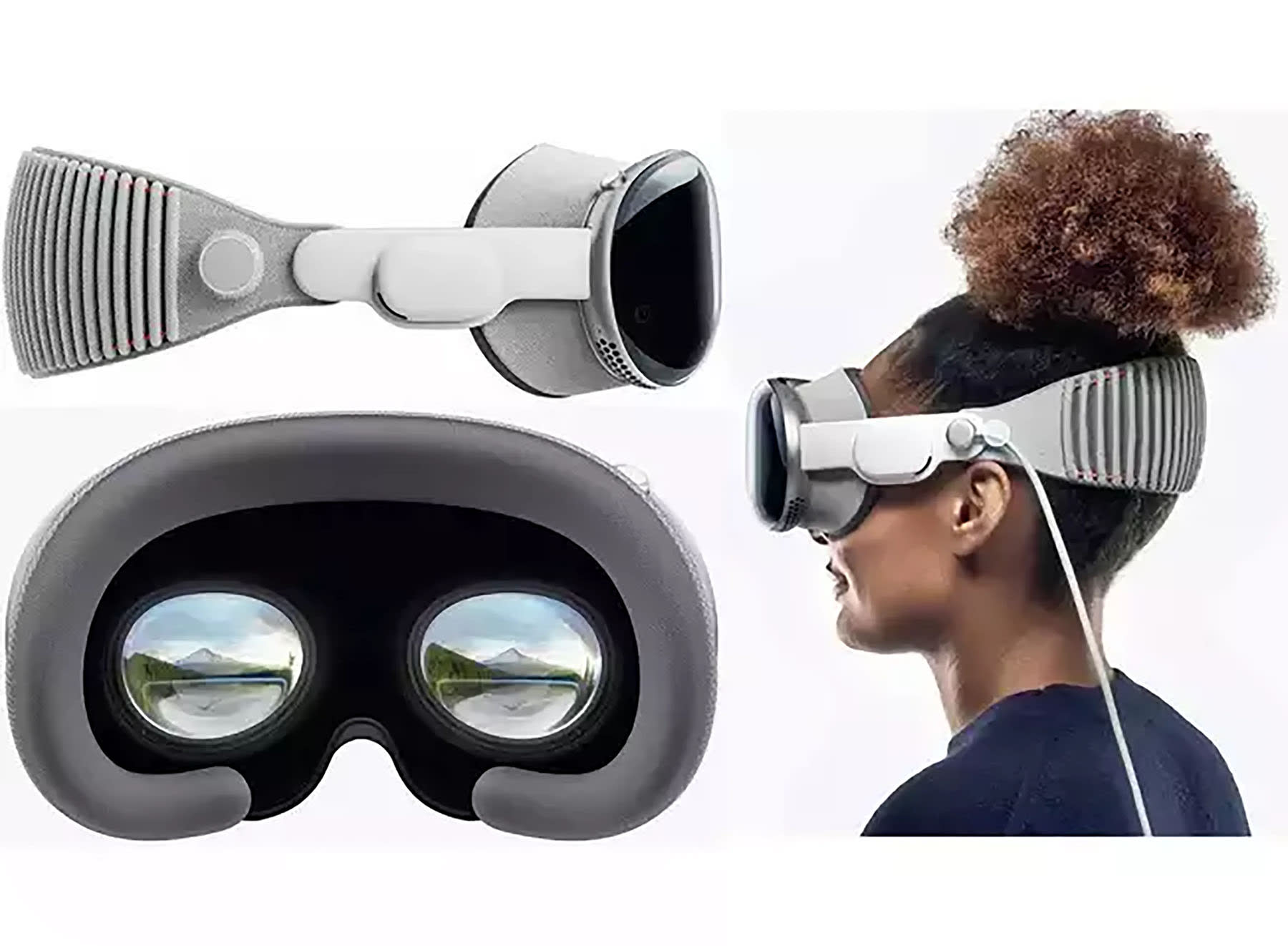
The intersection of healthcare and emerging technology continues to redefine how medical professionals deliver care, train staff, and engage with patients. Among the most exciting innovations in recent times is the Apple Vision Pro, a spatial computing device that blends augmented reality (AR) and virtual reality (VR) to create immersive experiences. With its ultra-high-resolution display, precise eye and hand tracking, and seamless integration with Apple’s ecosystem, the Vision Pro is poised to bring significant advancements to the healthcare sector-both today and in the near future.
Several healthcare institutions and innovators are already exploring how the Vision Pro can be used in clinical settings-from surgical environments to educational simulations-improving workflow efficiency, patient care, training, and remote collaboration across departments within hospitals and research centers.
At UC San Diego Health, surgeons have started integrating Apple Vision Pro into their workflow. Instead of relying on traditional monitors, they can now view laparoscopic feeds, patient vitals, and imaging data on virtual screens, placed wherever they find most convenient in their field of view. This spatial computing approach reduces physical strain and helps surgeons maintain focus during procedures. It’s a promising evolution of the operating room, minimizing clutter while maximizing accessibility to critical information.
Apps like Visage Ease VP allow clinicians to view high-resolution 3D CT or MRI scans in lifelike detail. Radiologists and physicians can manipulate these images in space, enhancing diagnostic accuracy. These applications are particularly useful in multidisciplinary discussions, like tumor board meetings, where quick access to comprehensive visual data can drive more effective treatment plans.
Training medical professionals often involves costly simulation labs or limited hands-on opportunities. Vision Pro is changing that. At Boston Children’s Hospital, staff use the headset to train on equipment like infusion pumps virtually. Researchers are developing interactive 3D “digital twins” of human anatomy that let students and surgeons rehearse complex procedures without a cadaver or operating room.
Cedars-Sinai has introduced Xaia, a Vision Pro app that offers virtual therapy sessions guided by AI in tranquil, immersive environments. This type of digital mental health support combines the benefits of mindfulness, visualization, and real-time feedback, potentially making therapeutic experiences more engaging and accessible for patients.
While early applications are promising, the true potential of Apple Vision Pro in healthcare lies in the forward-thinking use cases that are just beginning to emerge.
For patients recovering from strokes, injuries, or surgeries, physical therapy can often feel repetitive and demotivating. Vision Pro can transform these routines into engaging, gamified experiences. By guiding users through VR exercises and tracking performance in real time, it enables personalized rehabilitation that encourages participation and significantly enhances both motivation and recovery outcomes. The immersive environment also reduces perceived discomfort, fosters consistency in sessions, and allows therapists to remotely monitor progress with greater accuracy and insight.
For patients recovering from strokes, injuries, or surgeries, physical therapy can often feel repetitive and demotivating. Vision Pro can transform these routines into engaging, gamified experiences. By guiding users through VR exercises and tracking their performance, it enables personalized rehabilitation that encourages participation and enhances recovery outcomes.
Vision Pro may also play a role in the administrative and collaborative aspects of healthcare. For example, spatial interfaces could be used to manage patient flow, schedule surgeries, or review electronic health records in a more intuitive, visual format. Additionally, remote specialists could join operating rooms virtually, offering guidance or second opinions in real-time without being physically present.
The Apple Vision Pro is more than a headset-it’s a gateway to spatial computing that can redefine how healthcare professionals interact with information, colleagues, and patients. From enhancing surgical precision to democratizing medical education and expanding access to mental health resources, its applications are as broad as they are transformative. second opinions in real-time without being physically present.
As the technology matures, forward-thinking healthcare institutions that adopt and innovate with devices like the Vision Pro will be better positioned to deliver efficient, empathetic, and cutting-edge care.
Exploring this technology for your next project?
NeuroFlares specialises in building cutting-edge software solutions powered by the latest innovations. Let us turn your ideas into reality.
Let's work together.
2915 Ogletown Road, Newark, DE 19713, USA

213, G-Block, V.V.C.E, Gokulam, Mysore 570002, India
Connect with us
contact@neuroflares.com